

It often starts with what seems like a minor incident. A missed step while carrying groceries. Feeling unsteady when getting out of bed. Losing balance while walking through the house. While a single fall may not seem serious at first, it often raises an important question for families: Could it happen again?
That concern is understandable. According to the National Institute on Aging, more than one in four adults age 65 and older falls each year, and the risk of serious injury increases with age.
At The Courtyard at Wyoming, conversations about fall prevention for seniors often begin long before a fall leads to a serious injury. Families want to know how to reduce risks, maintain independence, and help their loved ones stay active and engaged for as long as possible.
The good news is that many falls can be prevented. Understanding why falls happen, what to do after a fall, and how to reduce the risk of future falls can help older adults remain active and independent for longer.
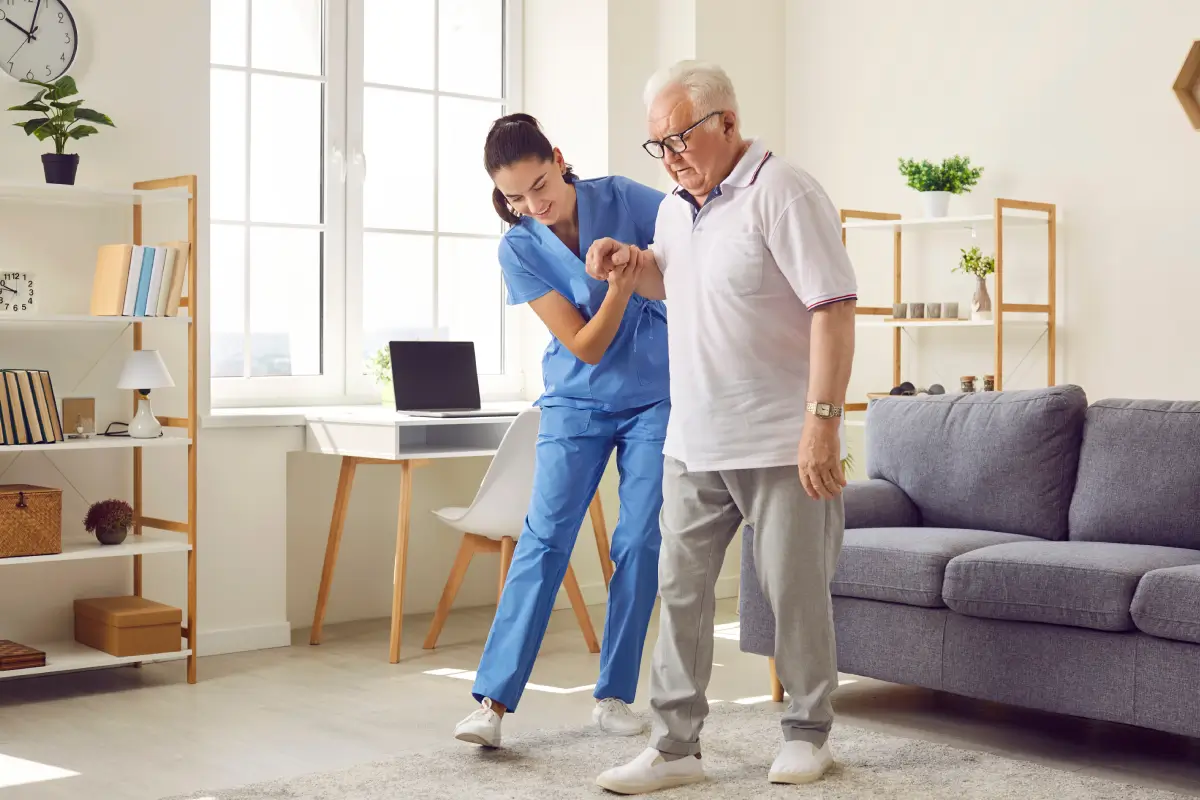
Why Do Falls Become More Common With Age?
Falls rarely happen because of a single cause. More often, several factors gradually combine over time. Changes in strength, balance, vision, and mobility can all increase fall risk. Certain health conditions may also affect coordination or make it harder to recover quickly after losing balance. Even medications that are helping manage one condition can sometimes contribute to dizziness, confusion, or lightheadedness.
According to Michigan 211, approximately 30% of Michiganders age 65 and older report falling each year. Falls can lead to reduced mobility, loss of confidence, and difficulty managing daily activities independently.
Some of the most common fall risk factors include:
- Muscle weakness and reduced balance
- Vision or hearing changes
- Medication side effects or interactions
- Low blood pressure
- Chronic health conditions
- Foot pain or improper footwear
- Cognitive changes, including dementia
- Home hazards such as clutter, poor lighting, or loose rugs
Understanding these risks is often the first step toward preventing future falls.
What to Do When a Parent Keeps Falling
Families often assume occasional falls are simply part of getting older. In reality, repeated falls should always be taken seriously. If a parent has fallen more than once in recent months, it may be time to look deeper at what is causing the problem.
Start by paying attention to patterns. Do falls happen at a certain time of day? Are they occurring after medication changes? Is your loved one struggling with stairs, bathing, or getting in and out of chairs?
A conversation with a healthcare provider can help identify underlying causes. Medication reviews, vision exams, mobility assessments, and balance evaluations often reveal factors that can be addressed before another fall occurs.
When families find themselves searching for what to do when a parent keeps falling, the answer is usually not a single solution. Instead, it often involves a combination of medical evaluation, lifestyle changes, and additional support.
What to Do After a Parent Falls
Even when a fall appears minor, it is important to respond carefully. According to the National Institute on Aging, older adults should avoid rushing to stand up immediately after a fall.
If a loved one falls:
- Stay calm and encourage them to take slow, deep breaths
- Check for pain, bleeding, bruising, or signs of injury
- Avoid pulling them to their feet too quickly
- Call emergency services if they hit their head, lose consciousness, or cannot get up
- Contact their healthcare provider, even if they appear uninjured
Some injuries, including concussions, fractures, and internal injuries, may not be obvious right away. Continued monitoring over the next 24 to 48 hours is important.
Everyday Habits That Help Prevent Falls
Many of the most effective fall prevention strategies are surprisingly simple. Regular movement helps maintain strength, balance, and flexibility. Walking, stretching, strength exercises, and activities such as tai chi can all help reduce fall risk. Health experts also recommend staying hydrated, getting enough sleep, and keeping up with routine vision and hearing appointments.
Footwear matters as well. Shoes with nonslip soles and good support can help improve stability, especially on uneven surfaces. These habits may seem small individually, but together they can have a significant impact on preventing falls in seniors.
Why the Home Can Become a Fall Risk
Most falls happen at home. Areas that feel familiar often contain hazards that go unnoticed until an accident occurs. Loose rugs, poor lighting, cluttered walkways, and bathrooms without grab bars are common examples.
Making a few modifications can often reduce risk significantly. Improving lighting, removing tripping hazards, adding handrails, and keeping frequently used items within easy reach can make daily life easier and more secure.
Many older adults in Wyoming enjoy staying active in the local community, whether that means spending time at Lamar Park, visiting Rogers Plaza Town Center, or enjoying outings with family. Maintaining mobility at home also supports activities outside the home.
When Additional Support Can Help
Sometimes families address every possible risk factor and falls continue happening. At that point, additional support may provide peace of mind while helping reduce long-term risk.
Assisted living can offer help with daily activities that commonly contribute to falls, including dressing, bathing, medication management, and mobility assistance. For older adults experiencing cognitive changes, memory care may provide more specialized support tailored to their unique needs and routines.
Regular movement and structured wellness programs can also play an important role in maintaining strength and balance. Nutrition and hydration are additional pieces of the puzzle. Consistent meals and access to healthy food choices help support overall wellness and physical health.
At The Courtyard at Wyoming, residents have access to personalized support, wellness-focused programming, scheduled transportation, and opportunities to remain active throughout the day.